Our story
Since 1991,worms have been the job.
WormGro is brewed by the Mingin family at Kookaburra Worm Farms in Gin Gin, Queensland, one of Australia's largest worm farms. George started with worms in Melbourne in 1991. Today George and his son Matt run the farm, and every batch is checked under the microscope before it leaves the gate.
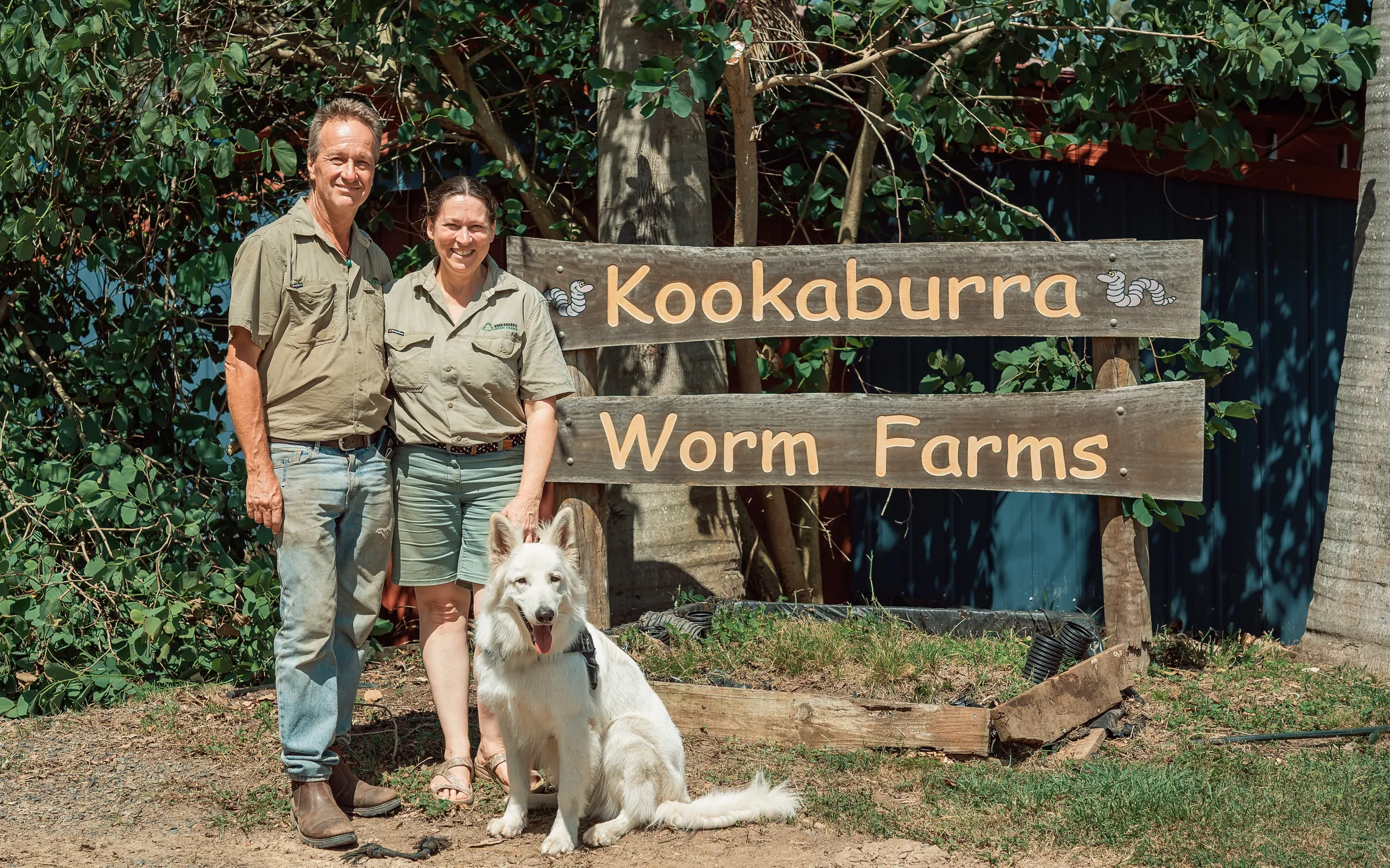
- Farming worms since 1991
- One of Australia's largest worm farms
- Every batch microscope-checked
- 20,000+ customers
How we got here
From a Melbourne worm shed to a Queensland farm.
Three decades of the same obsession: what worms do to soil, and how to get that into a drum a grower can use.
1991
George starts with worms in Melbourne
Recycling organic waste with worms for Heinz Foods, Australian Paper Mills, the Hobart and Melbourne City Councils, Queen Victoria Markets and Herds Abattoir. The worms were already doing industrial-scale work.
Two decades ago
Kookaburra Worm Farms is established in Gin Gin
From urban Melbourne to Queensland cane and cattle country. The farm grows into one of the largest worm farms in Australia.
2015
Matt joins the farm
A qualified health practitioner with a background in biology, health and nutrition, Matt joins George in the family business.
Today
A range for every scale of grower
WormGro, WormGro Plus, WormGro Balance and Native Earthworm Eggs, shipped from Gin Gin to gardens and broadacre farms across Australia.
What we believe
Feed the soil and the soil feeds the plant.
WormGro is made on Soil Food Web principles, the body of work Dr Elaine Ingham built around the organisms that cycle nutrients between soil and roots. Three rules follow from it.
Look before you ship
A biological product is only as good as the biology in it on the day. Every batch goes under the microscope. Dead product does not leave the farm.
Soil first, always
A plant fed directly stays dependent. A soil brought back to life feeds the plant itself, holds water, frees bound minerals and gets better every season.
Numbers over stories
We run paired trials and publish the sheets: yield, Brix, soil carbon, cost per hectare. If a claim is not on the results page, we are not making it.
The farm
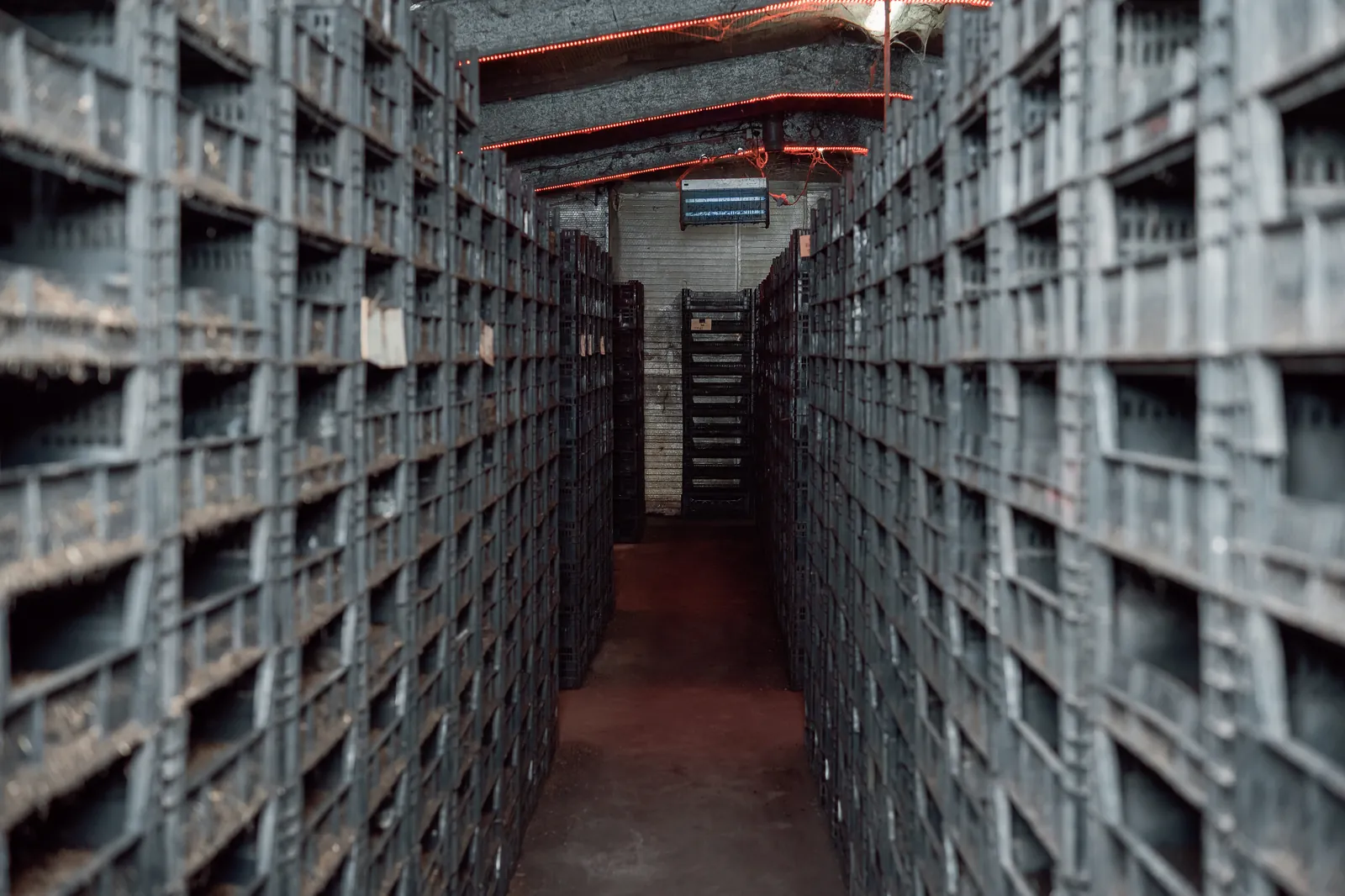
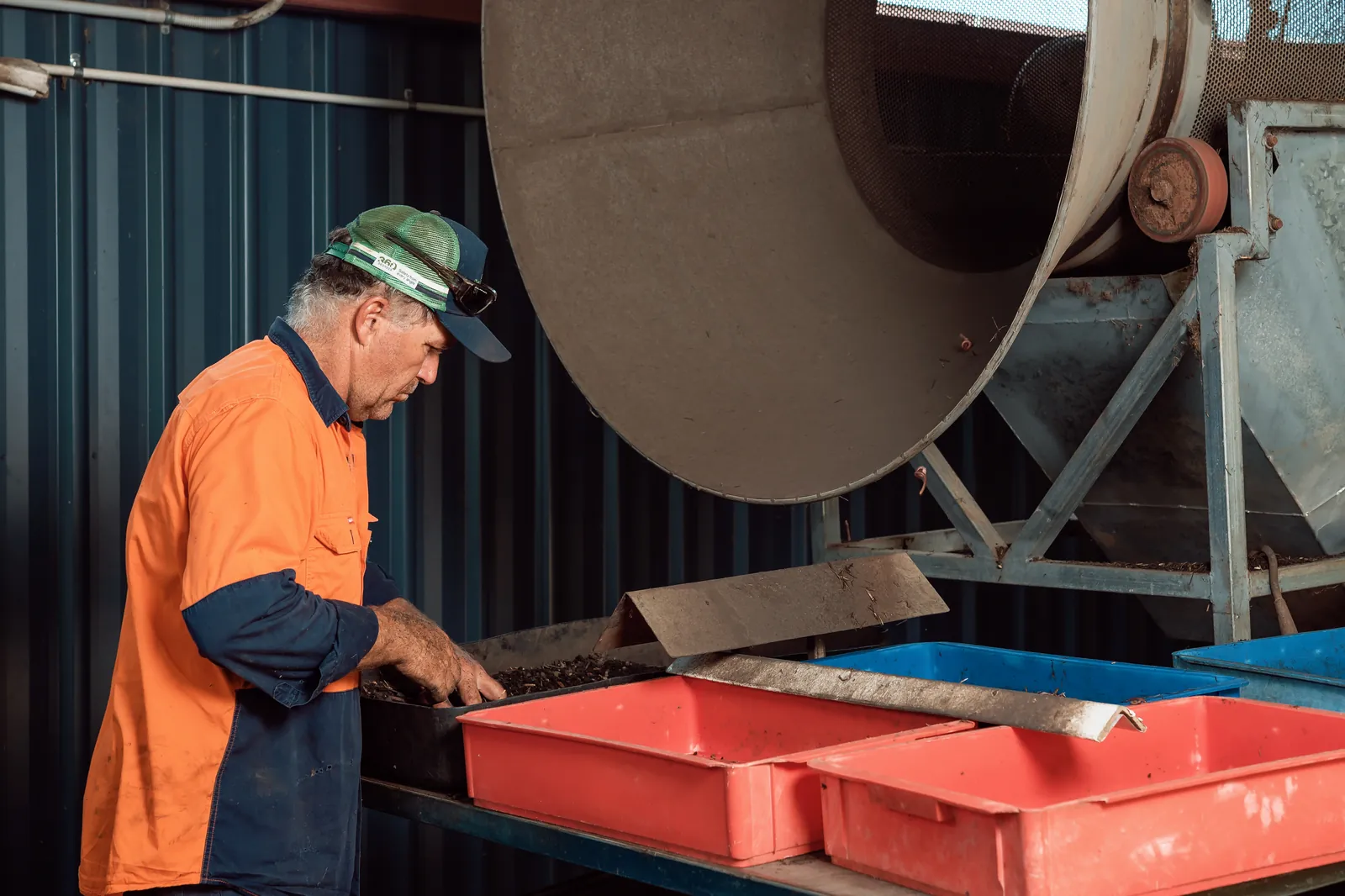
Gin Gin, Queensland. Beds, brewers and a microscope.
The worm beds supply the castings, the brewers multiply the biology, and the microscope signs off every batch. From here WormGro goes to pasture dieback country, macadamia orchards, large-scale horticulture and suburban vegetable beds alike.
- Worm castings from one of the largest worm farms in Australia
- Brewed in batches and analysed under the microscope before release
- Shipped from Gin Gin: 1L packs express Australia-wide, drums and shuttles in 5 to 10 working days
Who we work with
The watering can, the boom and the soil test.
Farmers
Pasture, broadacre and horticulture. Cutting synthetic fertiliser without a yield dip, with the gear already in the shed.
Explore farmingHome gardeners
A splash in the can for beds, pots, lawns and natives. Certified organic and shipped free in 1L packs.
Explore gardeningAgronomists
Trial data, DNA testing and batches brewed to a client's soil test. Bring it to clients as numbers.
Explore for advisers
About us
The farm, the family and the microscope.
The Mingin family at Kookaburra Worm Farms. George Mingin has worked with worms since 1991; his son Matt, a qualified health practitioner with a background in biology, health and nutrition, joined the family business in 2015. Every batch is analysed under the microscope before it ships.
On the farm at Mulgrave Street, Gin Gin, Queensland, inland from Bundaberg. The castings come from the worm beds on site and every drum is brewed, tested and dispatched from there.
WormGro is the product; Kookaburra Worm Farms is the farm that makes it. The farm is one of the largest worm farms in Australia, and WormGro, WormGro Plus, WormGro Balance and the Native Earthworm Eggs are all produced there.
Before a batch is released, a sample goes under the microscope to confirm the organisms needed to kick-start the soil fertility cycle are present and active. If the biology is not there, the batch does not ship. It is the reason WormGro is brewed rather than drained.
Yes, and gladly. Agronomists bring us soil tests and we brew WormGro Balance to the deficits; we also help design paired strip trials so an adviser can show a client the result on their own ground. The agronomists page has the detail.
Call 0427 573 424 or email george@wormgro.com.au. He offers a free 45-minute consultation on your crop, soil test or garden.
Say hello
Thirty years of worms, one phone number.
Whatever you grow and whatever scale, George would rather hear about the paddock than send a brochure. Call, or send the form and he will ring you back.