For agronomists and advisers
Biology you canput a number on.
Independent DNA testing of the microbiome, a 14,000 ppm nitrogen fraction from nitrogen-fixing bacteria, and replicated trials with yield, Brix, soil carbon and CEC on the sheet. Bring it to clients as data, not a story.
- Independent DNA testing of microbial diversity
- Every batch analysed under the microscope
- Capsicum, ginger and macadamia trials on record
- Batches brewed to a client's soil test
What is in the drum
A brewed extract, not a drained leachate.
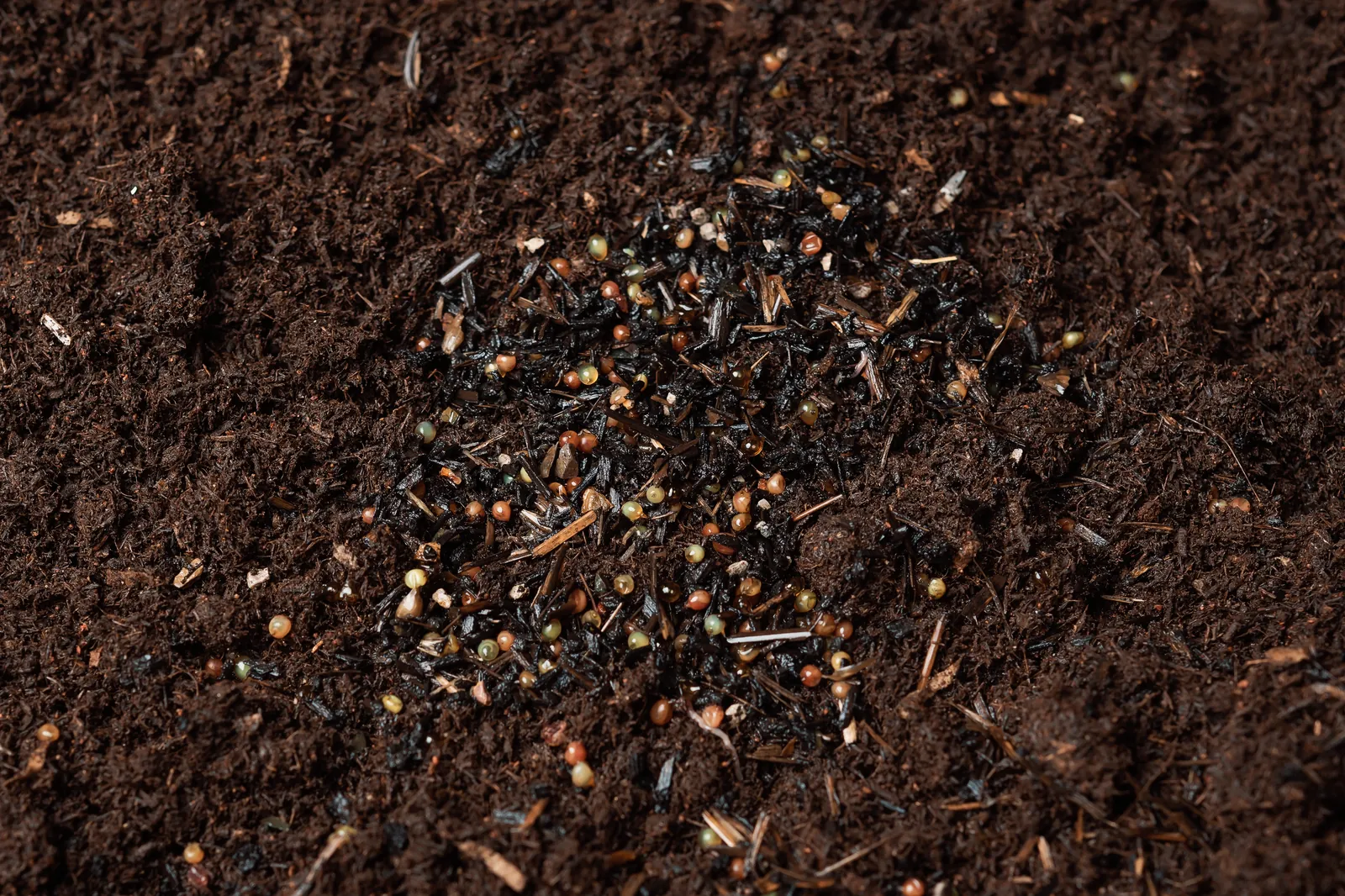
WormGro is made from high quality worm castings through a proprietary brew, which is why it carries a microbial load and a nitrogen fraction that ordinary worm juice cannot. The headline figures below come from the product analyses.
- Microbial species
- 1,000,000+
- Nitrogen from N-fixing microbes
- 14,000+ ppm
- Chelated minerals
- Up to 80
- Filtration
- 400 µm
Mechanisms
Three things your clients will see in the field.
The soil food web is not a slogan here. These are the pathways the trials keep measuring.
Liquid carbon pathway
The microbiome kick-starts root exudation and aggregate formation. Soil carbon rose 10% within a single growing season in the capsicum trial, with CEC climbing from 5.8 to 9.8.
Phosphorus release
Bound phosphorus is made bio-available, which drives larger root systems and stress tolerance. Soil P went from 20 to 39 in the same trial, calcium from 409 to 906.
Induced resistance
A diverse microbiome competes with pathogens and lifts Brix. In the 2022 ginger trial the share of rhizomes infected with pythium fell 55%, and leaf infection went from 15.3% to 1.98%.
Trial summary
Grower standard practice on one side, WormGro on the other.
The figures as published by the farm. Full tables, including the soil nutrient panel and fruit Brix, are on the results page.
Capsicum, Cross Family Farm
Feb to Jun 2021| Measure | GSP | WormGro | Variance |
|---|---|---|---|
| Total yield | 12,340 kg/ha | 15,675 kg/ha | +27% |
| Soil carbon | 1.0% | 1.1% | +10% |
| CEC | 5.8 | 9.8 | +69% |
| Leaf Brix | 8.4 | 9.8 | +17% |
| Cost per hectare | $70 | $50 | -29% |
Ginger
2022| Measure | GSP | WormGro | Variance |
|---|---|---|---|
| Marketable yield per plant | 186.6g | 245.3g | +31% |
| Rhizomes infected with pythium | 47.6% | 26% | 55% lower |
| Leaves infected with pythium | 15.3% | 1.98% | -13.3 pts |
Macadamia
Orchard trial| Measure | GSP | WormGro | Variance |
|---|---|---|---|
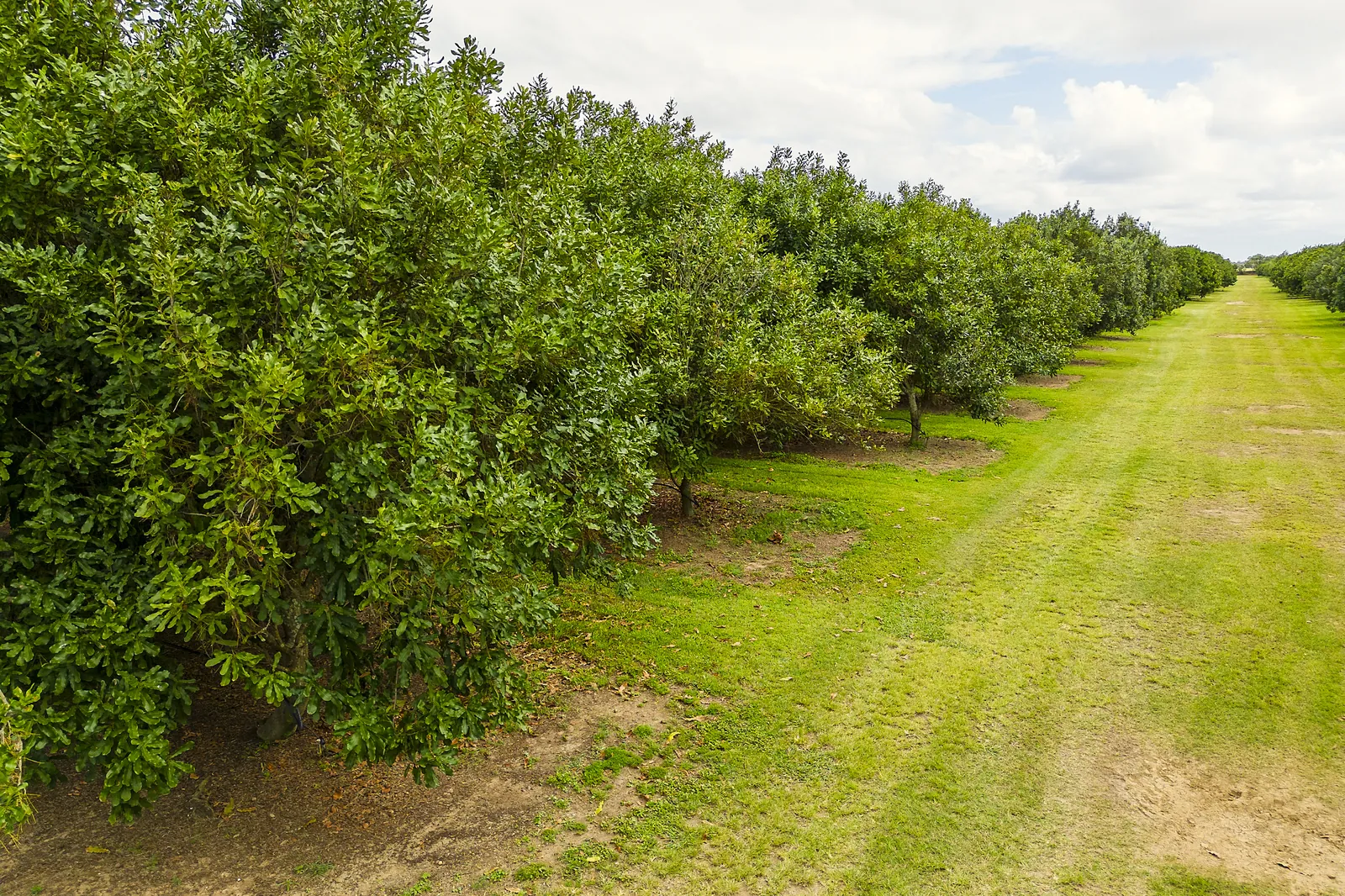
| Nut-in-shell yield | 6,302 kg/ha | 6,704 kg/ha | +402 kg/ha (+6.38%) |
How we work with advisers
Soil test in, blend and protocol out.
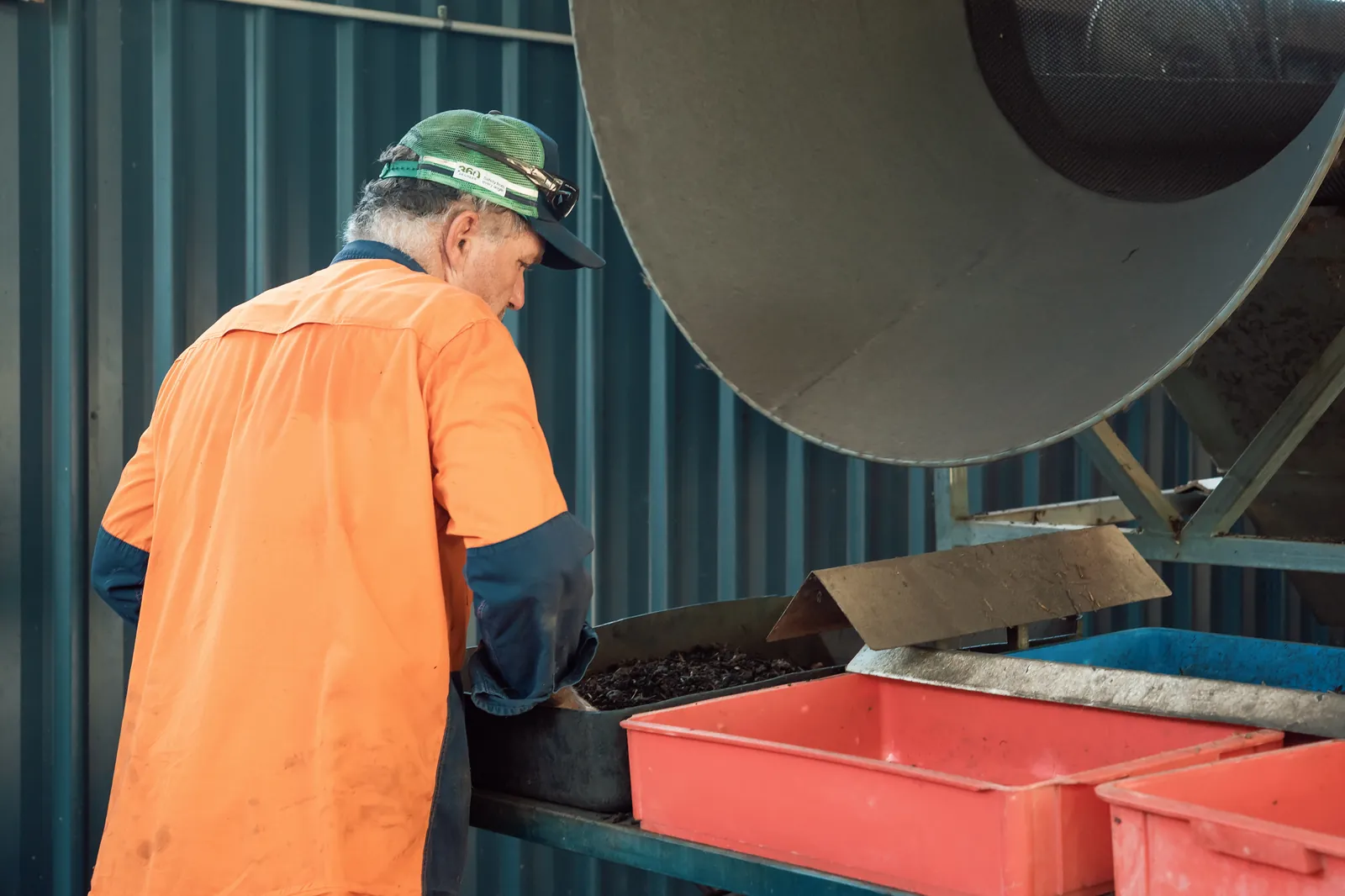
George has worked with worms since 1991. Use that as an extension of your own practice, not a product rep.
Blend to the deficit
Send the soil test. Balance is brewed to what the paddock is short of and priced per hectare, so the program you write is the program that ships.
Design the strip
Paired strips, same day, same rig. We help set what to record: yield, Brix, soil carbon, CEC, and when to pull the second soil test.
Application protocol
Jar-test procedure, nozzle and pressure guidance under 80 psi, late-afternoon timing for UV, and 400 micron filtration notes for the operator.
We also run grower trials and welcome agronomist-led ones. Bring a client and a question.
Soil test to harvest
Low in N, P, K, S and zinc. Blended to the deficit.
“The oat hay came up so healthy. Other local farmers have been stopping to ask what I put on it, assuming I'd used heaps of urea. When I tell them it was only WormGro, they can hardly believe it.”
Oats for hay · 8ha · 1 x 20L/ha WormGro Balance foliar · $60/ha
262 bales per acre, confirmed 24.10.2025
Advisers ask
Evidence, compatibility and certification.
Independent DNA testing of WormGro returned the highest bacterial and fungal diversity of any product tested, with strong markers for natural disease suppression. On top of that, every batch is checked under the microscope before it leaves Gin Gin to confirm the organisms needed to kick-start the fertility cycle are present.
Over 14,000 ppm of nitrogen, sourced from nitrogen-fixing microbes rather than added urea. That is up to 200 times the nitrogen of a typical liquid worm extract or leachate, which is why WormGro is brewed rather than drained.
Yes. It is designed to complement an existing routine rather than replace it on day one. In the Wodonga pasture trial MAP and Calciprill went on both plots alongside WormGro Plus. Run a jar test before any tank mix; some chemistry precipitates the biology.
Yes. WormGro Balance is the vehicle: send the soil test and George adjusts the mineral blend to the deficits before brewing. The typical analysis on the label is a starting point, not a fixed recipe.
Twelve to twenty-four months depending on conditions. Cool, shaded, never frozen. Stir before use because residual sediment settles. The product is filtered to 400 microns, so advise clients to check finer screens.
WormGro, the original worm cast liquid, is certified organic through Southern Cross Certified. Ask us about the status of Plus and Balance for the specific scheme a client is working under before you write it into a program.
Next soil test
Bring the soil test. We will brew to it.
Send the report and the crop, and George comes back with a blend, a rate and a per-hectare price your client can compare against the current program.