For farmers · broadacre, pasture and horticulture
Match the urea.Keep the soil.
WormGro goes on with the boom you already own, from the first two-leaf stage, and rebuilds the biology that synthetics strip out. Farms are matching urea at lower cost, halving irrigation and lifting yield on less synthetic fertiliser.
- Standard boom, linkage or air-assist sprayer
- Foliar, fertigation, seed dressing or in-furrow
- Filtered to 400 microns
- Delivery in 5 to 10 working days
The treadmill you can't see
Synthetic nitrogen feeds the plant. The soil underneath pays for it.
Every season looks the same from the cab: put it on, watch it grow, pull it off, start again. Underneath, the biology that used to do half the work is gone, so the ground hands every job back to you.
Water runs off
With no biology binding it, structure collapses. Rain runs off a crust instead of soaking in, and the pivot runs more hours to compensate.
Nutrients lock up
Phosphorus and trace elements sit bound in the profile where roots cannot reach them, so the soil test says plenty while the crop says hungry.
Inputs climb
The same paddock needs more fertiliser this year than it did last year. That is not bad luck. That is how a system without biology behaves.
WormGro switches the biology back on, and the soil takes those jobs back.
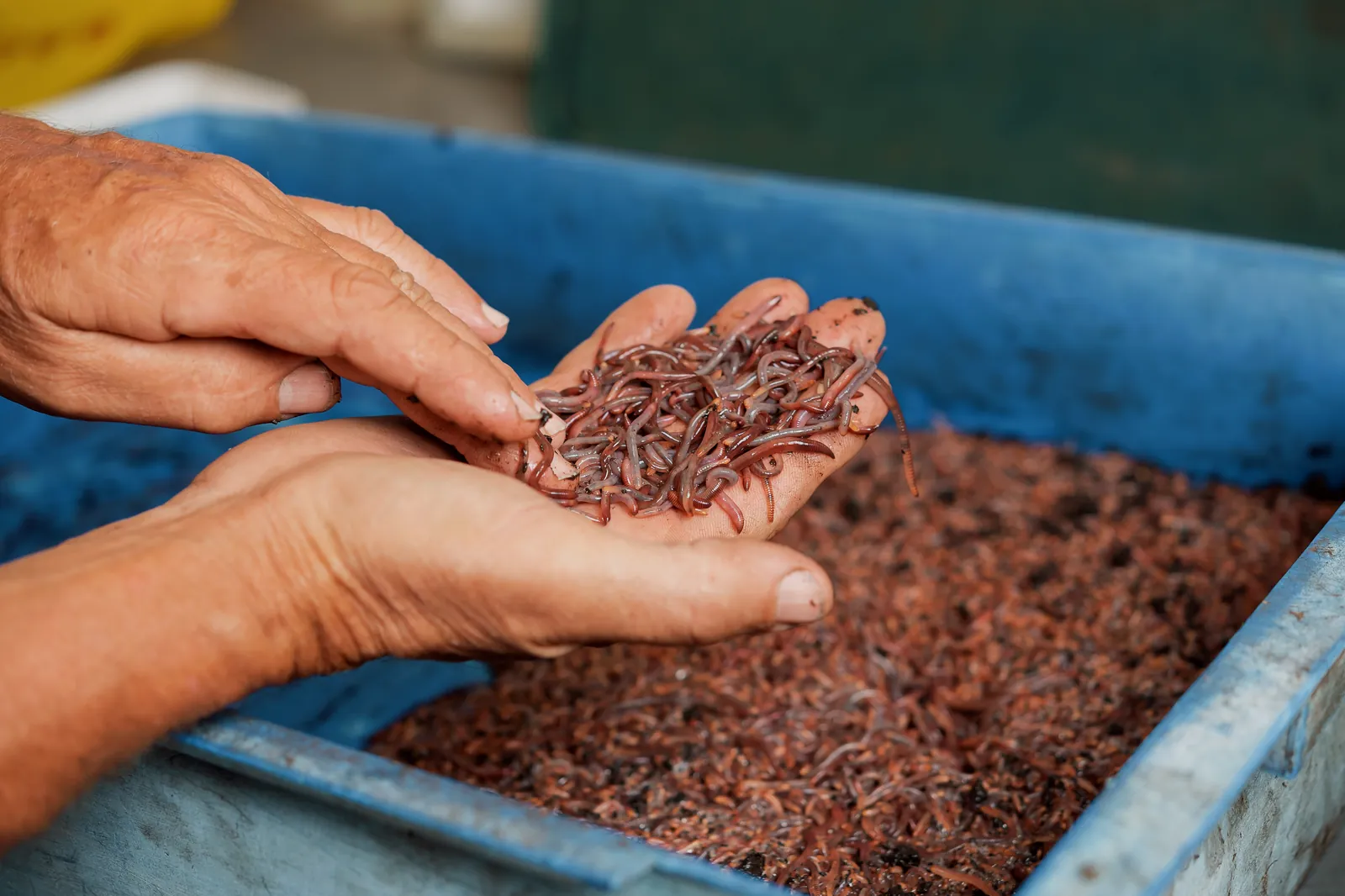
Over one million microbial species convert atmospheric nitrogen, free bound phosphorus and rebuild the aggregates that hold water. The work compounds in your favour: next season needs less from you than this one did.
Three ways in
Pick the entry point that fits the program you already run.
No new gear, no new job on the calendar. WormGro goes on in a pass you are doing anyway.
Seed inoculation
5L per tonne of seed through a cement mixer or drip-fed at the auger. The cheapest start: the biology goes into the furrow with the crop.
Foliar spray
10 to 20 L/ha at a minimum 1:10 dilution from the two-leaf stage. Lifts leaf Brix, and Brix is what pests and disease read before they move in.
Fertigation and drench
Run it through pivots, drip or a drench. Filtered to 400 microns so it moves through lines and screens without blocking them.


Rates at a glance
Litres per hectare, not tonnes.
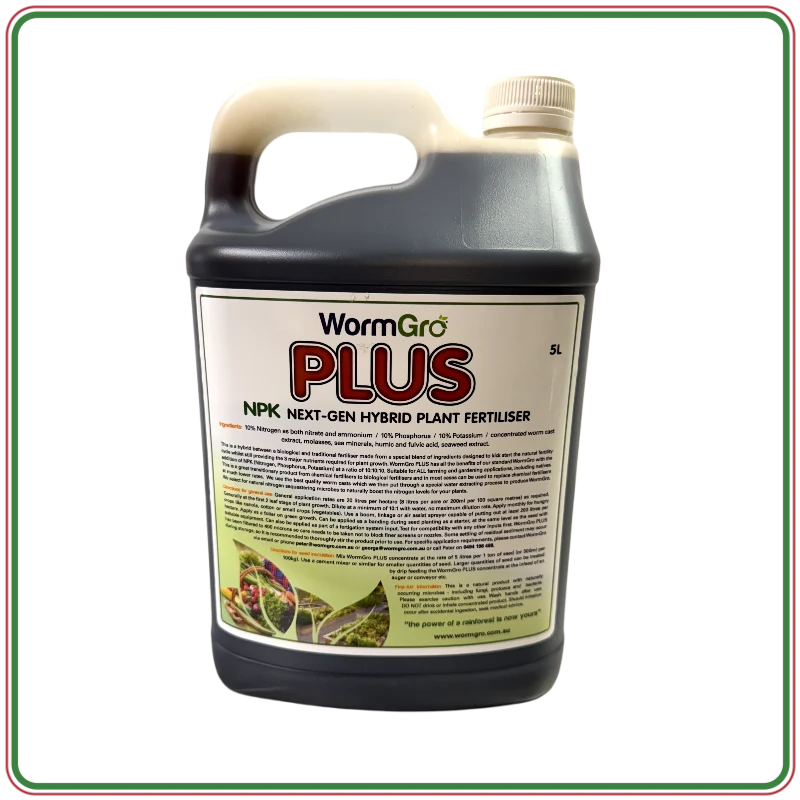
Rates from the product labels. Apply as a foliar on green growth or through fertigation, diluted to at least the minimum on the label. Monthly for hungry crops like canola, cotton and vegetables.
| Use | WormGro | Plus | Balance |
|---|---|---|---|
| Pasture | 5 L/ha | 20 L/ha | 5 L/ha |
| Grain crops | 10 to 20 L/ha | 20 L/ha | 10 L/ha |
| Orchards and vegetables | 10 to 20 L/ha | 20 L/ha | 20 L/ha |
| Seed dressing | 5 L/tonne | 5 L/tonne | 5 L/tonne |
| Minimum dilution | 1:10 | 10:1 | 20:1 |
Real farms, real records
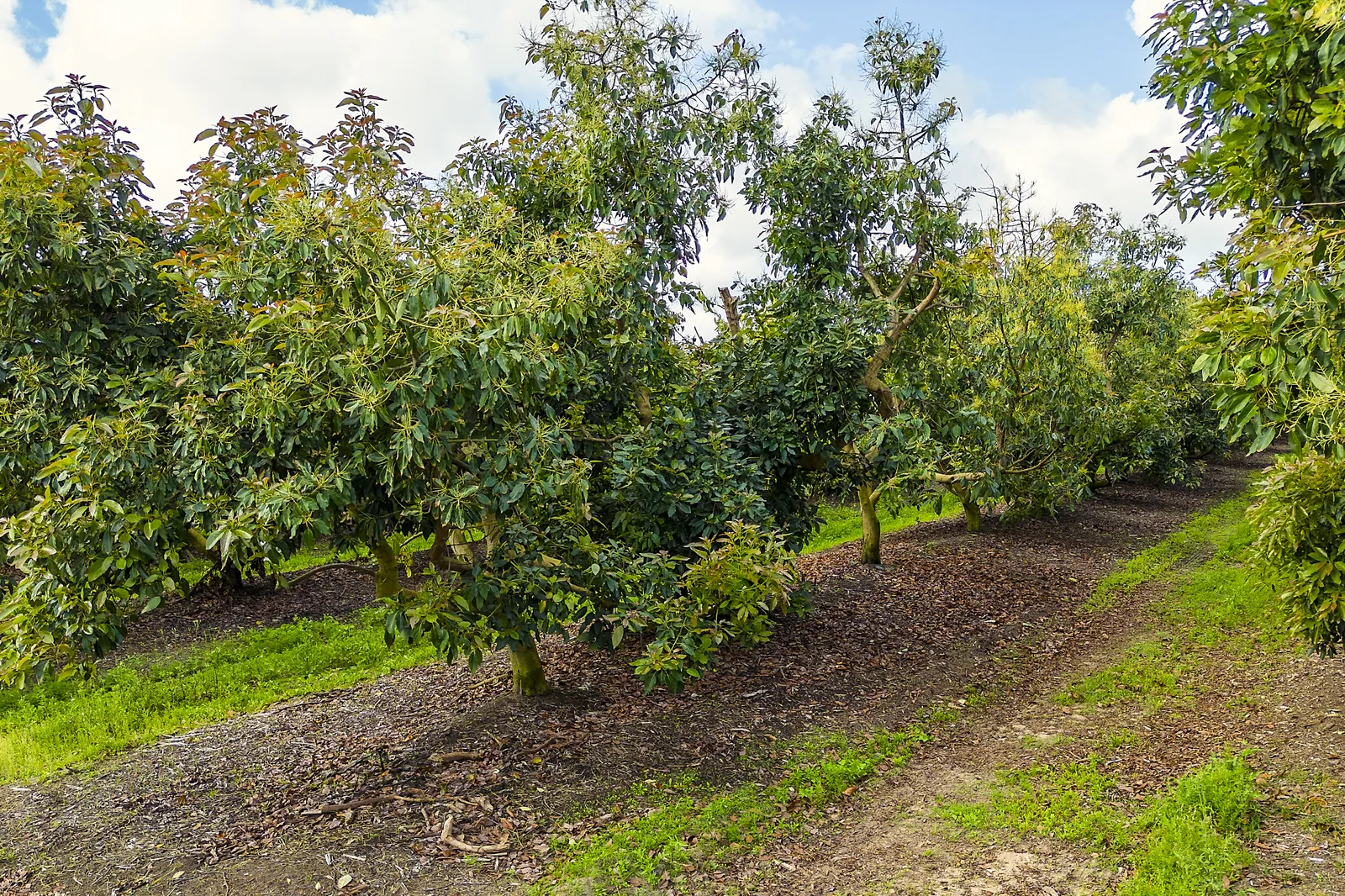
Same paddock, same day. One side got no urea at all.
“I put MAP and Calciprill on both plots. One got 100 kg of urea per hectare and the other WormGro Plus. The results were just as good with WormGro, but it worked out a lot cheaper.”
Ryegrass pasture · 4ha · 2 x 5L/ha WormGro Plus foliar
Matched urea at lower cost
“Prior to application it needed 4 waters and produced an average of 25 bales an acre. After WormGro we needed only 2 waters and got up to 30 bales an acre. The plants look considerably stronger and healthier.”
Lucerne hay · 16 acres black clay · 20L/ha WormGro · nil synthetics
Watering halved, 25 up to 30 bales per acre

Cross Family Farm, 2021
One capsicum block, five months, every number up.
Grower standard practice on one side, WormGro on the other, February to June 2021. The soil moved as much as the crop did.
- +27%
- Total yield
- +20%
- Fruit weight
- +10%
- Soil carbon
- -29%
- Cost per ha
Run a strip, not a gamble
Nobody is asking you to rip out your program on a promise.
Keep your fertiliser plan on one side of the paddock. Put WormGro on the other. Weigh it off at harvest and let the strip decide.
Pick a paddock
One you know well, with a soil test if you have it. Average country tells you more than your best block.
Split it
Your usual program on one side, WormGro on the other. Same seed, same day, same operator, same rig.
Measure it
Yield at the weighbridge, Brix in the field, a soil test at the end. George will help you set up what to record.
Farmers ask
The questions from the ute window, answered.
It goes on with what you already run: boom, linkage or air-assist sprayer, pivot or drip fertigation, seed dressing at the auger, or banded at planting. Nothing in your routine has to change on day one. The label rate starts at the first two-leaf stage and goes on monthly for hungry crops.
No, and we would not advise it. On average growers supplement at least half of their chemical fertiliser with WormGro in the first season and taper from there over one to two seasons. WormGro Balance was built for exactly that: mineral nutrition now, biology repairing the soil underneath.
Inoculate the seed. Five litres per tonne of seed (500ml per 100kg) puts the biology in the furrow with the crop for a few dollars a hectare. It is the entry point we recommend for annual programs, with a foliar pass to follow once the crop is up.
Vigour and colour usually change within a few weeks of the first application. Yield, water holding and soil carbon shifts show up over a full growing cycle, which is why we suggest a paired strip so you can weigh the difference at harvest.
Often, but jar test first. WormGro carries over a million live species and some of them react with certain chemistry. If the jar precipitates, that is the warning sign for blocked nozzles and filters. MAP and Calciprill went on alongside WormGro Plus in the Wodonga pasture trial without trouble.
Keep pressure under 80 psi with low-pressure, high-flow nozzles, and put it on late afternoon or evening when UV is lowest. If rain or an irrigation shift is coming, better again. The product is filtered to 400 microns, so check finer screens before you fill the tank.
Twelve to twenty-four months depending on storage. Keep it cool and out of the sun, never frozen, and stir the drum before use because some sediment settles.
The quick guide
Tell us the paddock. We will tell you the rate.
Crop, hectares and a soil test if you have one. George comes back with a program, a per-hectare price and the free quick guide to rates, timing and tank mixing.